
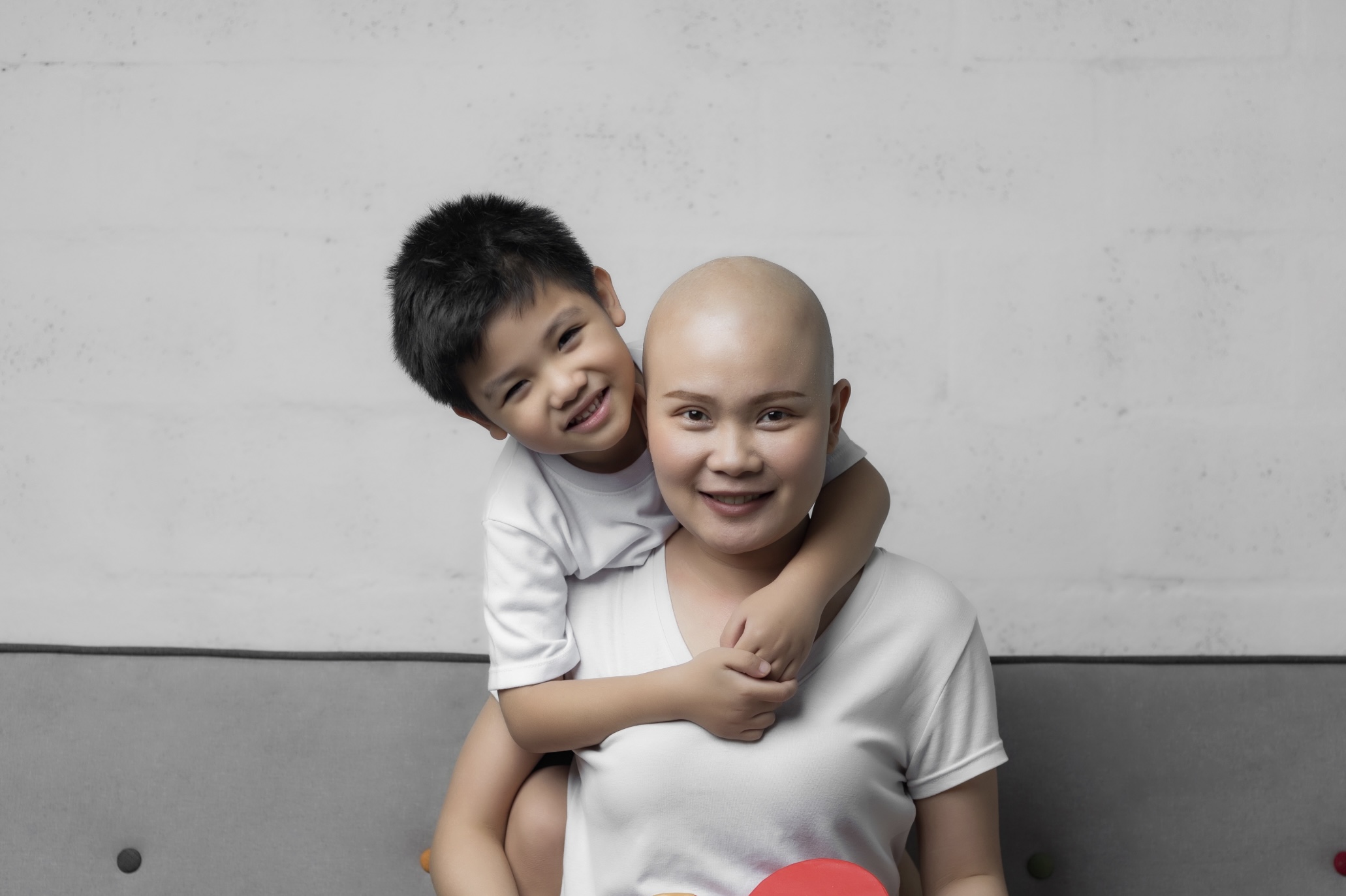
A cancer diagnosis can derail your life. One minute you’re going through your day, the next you’re scheduling doctor’s appointments, creating treatment plans, and mentally dealing with what it means to have cancer.
While there are no simple solutions to navigate the struggles of cancer, hearing the stories of others who have also experienced life-changing health conditions can help. Take, for example, Bryna’s story.
Bryna has a genetic mutation (BRCA2+) that puts her at a heightened risk of developing cancer, especially breast and ovarian. About seven years after finding out about this gene mutation, she was diagnosed with stage 0 breast cancer. Despite multiple preventative surgeries, she was later diagnosed with stage 2A breast cancer.
Today, Bryna is cancer free and draws from her own experiences to help advocate for others. Through her blog, “Blogging BRCA: The BRCA Experience in Real Time,” she shares experiences and helps build community.
Drawing from Bryna’s experiences and experts’ recommendations, this article offers suggestions on how to support yourself and find support from others during your experience with cancer.
Supporting Yourself – Second Opinions, Self-Advocacy, and Mental Health
Receiving a cancer diagnosis can be overwhelming and throw you into a world of appointments, surgeries, and treatments. Confidently advocating for yourself can help lighten this load.
Second Opinions
One of the first ways to support yourself during your experience with cancer is getting a second opinion. Bryna shared that “when you’re in a vulnerable position, especially being told that you have cancer, it’s natural that you want to trust this person who told you this, because they are the most knowledgeable person in the room about what you’ve just been told.” She’s not suggesting that you shouldn’t trust your doctor, but rather that a second opinion will provide another perspective and offer time to digest the news.
Self-Advocacy
Beyond getting a second opinion, it’s important to feel heard and respected by your doctors. As Bryna stated in her blog, “No one should be treated badly when in a vulnerable medical situation, not me or anyone else. So no matter how small or stupid or minor you think the issue is, say something.”
Dr. Cathryn Molloy, an expert on patient credibility and self-advocacy, offered the following recommendations for advocating for yourself at the doctor’s.
- Write down notes and questions ahead of time. If it turns out to be a particularly busy appointment, these notes help ensure you don’t forget to discuss everything with your doctor.
- Bring a partner or friend to your appointment. Having another person in the room provides an additional level of support and has been shown to increase the likelihood of your concerns being heard by the doctor.
Mental Health
When you’ve been diagnosed with cancer, it’s normal to focus on your physical health. However, it’s important to also provide time and space for your mental health and the range of emotions you experience while living with cancer.
Research from University of Pennsylvania’s Abramson Cancer Center shows that journaling can help people to work through emotions, helping to alleviate stress and its negative impact on your body. Some topics you might journal about include:
- How you are feeling each day
- What strengths you have
- Letters to people in your life or your past or future self
- Memories from favorite experiences
- Things you are grateful for
- How living with cancer has changed your life
Keep in mind that there is no right way to journal. Writing is a way to process complex emotions and there are no rules that come with it. Your journal can be just for you or it can be for you to share with others such as family members, friends, support group members, or therapists.
Ultimately, however you choose to journal, know that this can help you see yourself as more than your diagnosis.
Getting Support from Others – Speaking Up, Finding Community, and Therapy
While it’s important to have means to support yourself during your experience with cancer, it’s also valuable to have support from others. Feeling confident speaking up for what you need, finding a community amongst other cancer patients, and attending therapy are all ways to find this support.
Speaking Up
Sometimes, means of support will find their way to you after a cancer diagnosis. You might find yourself overwhelmed with offers for meals, childcare, and more. It can be difficult to navigate this support, both feeling comfortable accepting the offers and getting support that addresses your needs.
Bryna discussed her personal experience with this, and she emphasized the importance of speaking up and sharing with others what will be helpful for you as a cancer patient. If a home cooked meal isn’t something you need but a ride to an appointment is, don’t be afraid to say that.
Often those around you are trying to think of any way to show their support, and they’ll appreciate being able to provide the exact type of support you need.
Finding Community & Therapy
Another way to lean on others is through support groups.
Finding a support group for patients with cancer can allow you to find a community of others going through similar experiences dealing with the harsh reality of cancer. Research from The National Cancer Institute shows that support groups allow patients to feel more hopeful, talk about their feelings, and deal with practical problems that come with living with cancer such as difficulties at work or school.
In addition to finding a support group, individual therapy is another way to receive support. There are oncology therapists who specialize in helping patients and families navigate cancer, including challenges like finding treatments options or dealing with the healthcare system.
Bryna described her experience with an oncology therapist, sharing that she “found it helpful because she [her therapist] was aware of policies and procedures and practices and things that go on in the office and in the chemo chair and stuff like that.” For Bryna, talking with someone who truly understood the treatments and experiences she was going through was valuable.

This article was created as part of the WRTC program at Jemes Madison University, which is overseen by Dr Lori Beth De Hertogh.