
“Even when you just get a papercut, it hurts. Now imagine that you have a whole bunch of those all over the inside of your body. It’s going to hurt.” —Linda Griffith, MIT Biological Engineer, NPR Fresh Air
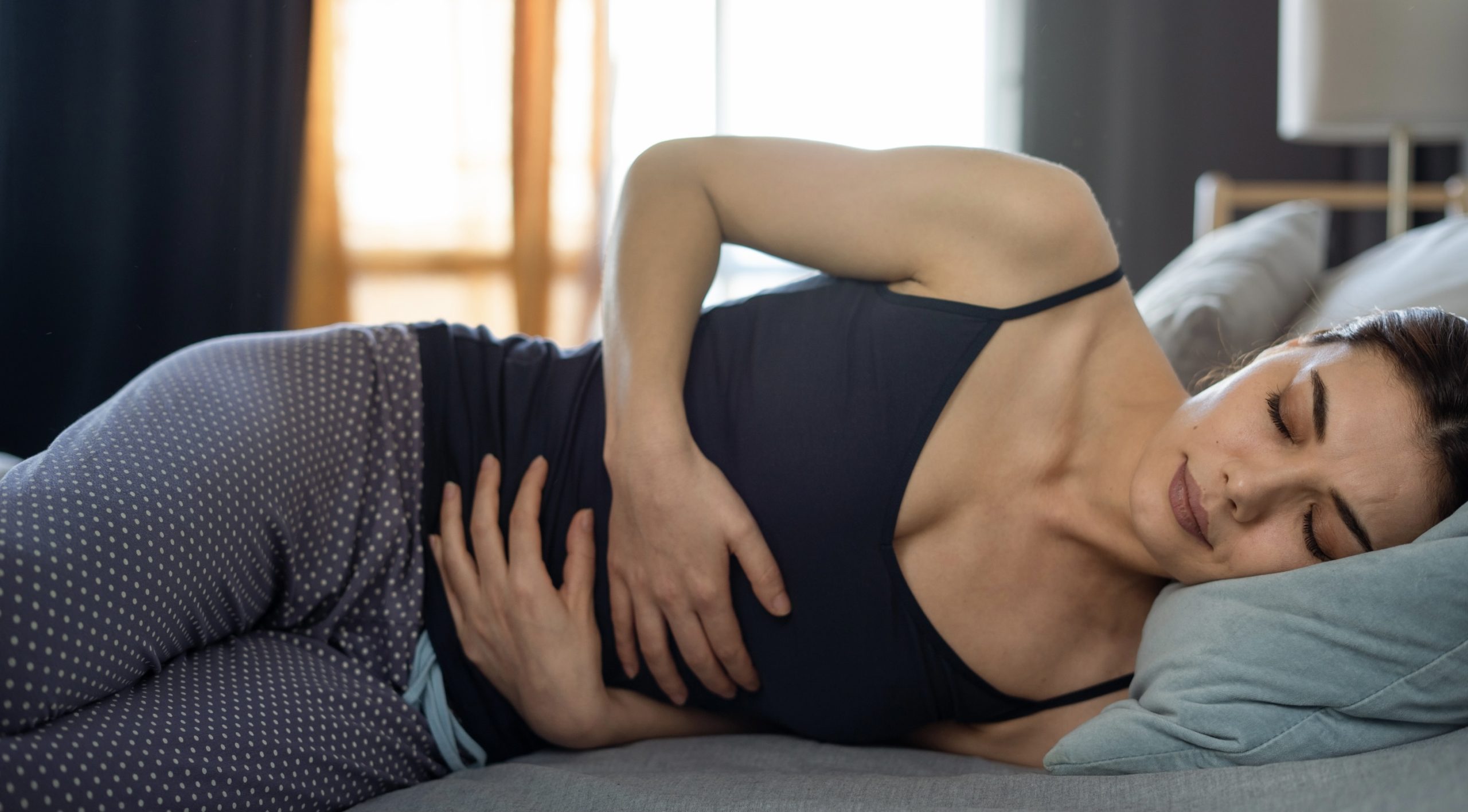
Imagine that once a month, you develop lesion-like paper cuts on your internal organs. As your body tries to heal itself, you experience excruciating cramps, nausea, and pain. Suddenly, going to work seems unbearable. Weekend plans are canceled. All you can do is focus on surviving the pain. Now, imagine the toll that this takes on mental health. Endometriosis is so much more than a physical disease, it is one that funnels into self-esteem, control, and body image, ultimately affecting the individual and their mental health in a way that is more than the average stressors of life.
This is what life is like for many who experience endometriosis, a condition where cells that normally grow inside the uterus form on other parts of the body, such as the abdomen, bladder, and pelvis. A condition that affects 1 in 10 women of reproductive age, endometriosis is not rare—yet it is woefully under-diagnosed, under-researched, and under-funded.
The well-being of patients with endometriosis is an iceberg. Doctors often only see the tip of the iceberg and the physical pain. What they are not seeing are the larger
issues underneath—the depths. Women’s mental health is at the very core of these depths. For women with endometriosis, their mental health is composed of lifestyle aspects of sleep, diet, and body image. As we get into the depths of this iceberg, sleep is the first lifestyle aspect that we will explore.
Sleepless nights are some of the worst things a human can experience—and one of the hidden parts of the iceberg. Sleep is supposed to be a transition from one day to another and a time for the body and mind to recuperate. Without this transition, the days begin to melt together, and the flow of time starts to drag. It’s an especially horrible feeling when the minutes tick away like hours and the hours like days. People talk about “not getting enough sleep” or “pulling an all-nighter” as if it’s a casual thing that everyone goes through. Maybe it is. Maybe all of the pain from cramps, all the fatigue during the day, and all the seemingly endless bleeding just didn’t make a difference. After all, if sleeplessness is something that everyone deals with, then what do the experiences of endometriosis patients matter? What’s so special about their stories?Based on a 2020 study, there is a positive relationship between insomnia and endometriosis. Not much attention has been devoted to this relationship despite the profound effects that a lack of sleep has on mental health. For endometriosis patients, it is a unique challenge, given the causes for their loss of sleep to begin with. It’s not easy to drift off to sleep when you feel like a knife has been shoved inside your gut. A lack of sleep can have serious negative effects on cognitive abilities and has the potential to completely impair one’s ability to function normally during the daytime.

Everyone—especially healthcare providers—should recognize that women struggling with endometriosis are affected to a special degree in terms of sleep loss. It should also be recognized that not everyone has the luxury of taking a break, as some people could be living paycheck-to-paycheck and cannot afford a mental health break. That being said, women battling endometriosis should be encouraged to take breaks—their lives, and sleep schedules may depend on it.
The diet aspect in relation to mental health is rarely talked about when viewing the endometriosis iceberg from above the water. Our bodily systems are interconnected, they all go hand in hand. This means it is crucial that you fuel your body with adequate nutrients in order to keep your body functioning optimally. Food and our relationship with it correlates with just about everything you do. With the advancement of society, food also comes with additive ingredients and other replacements for nutrients that can cause different health problems like inflammation and lead to harsher problems for our bodies, like cancer or heart disease. Thus, a new initiative and movement has started to take form which focuses on the fact that food is medicine, and can be used to help our bodies heal and function the best way they can. Understanding the connection between food and mental health is critical to maintaining a healthy body. High-quality nourishment is essential for all areas of well-being, including mental health, reproductive health, and chronic health conditions.
The most interesting part about diet is that it also depends on the needs of your own body. Let’s put someone with endometriosis into play. Endometriosis is characterized by endometrial tissue growing outside of the uterine lining. However, certain dietary changes have been associated with reducing pain, inflammation, and pain associated with the condition. Pain has as much of an influence on the body as it does on the mind. Now, keep in mind that doing what works for you when it comes to diet is what matters most. There are a couple of things that are worth noting here:
- Endometriosis, being an estrogen-associated and dependent disease, has found solace in having a diet with a reduction in dietary fat and increased fiber.
- There is also evidence that an increase in meat consumption can lead to increased pain and the development of the disease.
- Studies have also found that women have found relief in eating an anti-inflammatory, plant-based diet.
- An increase in vitamin D, as well as an increase in supplementation of vitamins C and E, helps to decrease pain associated with endometriosis.
It is important to take into consideration that your own dietary needs strongly depend on how your body responds to the nutrients you take in. This is often different for everyone. Despite this difference, how you feel and what you need is important when it comes to managing pain and mental health symptoms. There is no need to stick to one diet, either. Do what works best for you because it is all about managing your pain. If you eat what helps make you feel better, it can help your mental health to flourish. Exposing another depth of this enormous iceberg is the mind-body connection that women experience about their self-image. When your body betrays you, you can feel out of control and like you can’t rely on it, changing the perspective of how you view yourself. This emotive response contributes to frustration because it is something that is meant to help you every day in life. These feelings of betrayal are experienced especially when flare-ups of Endometriosis are happening and excruciating pain is felt. A 2022 study about endometriosis and body image has found that many women with endometriosis experience poorer feelings of body image and self-esteem due to this ongoing pain. The correlation between body image and endometriosis and pelvic pain makes endometriosis an incredibly difficult disease to understand apart from just the medical needs, thus exposing the part of the iceberg that relates to mental health and self-image.
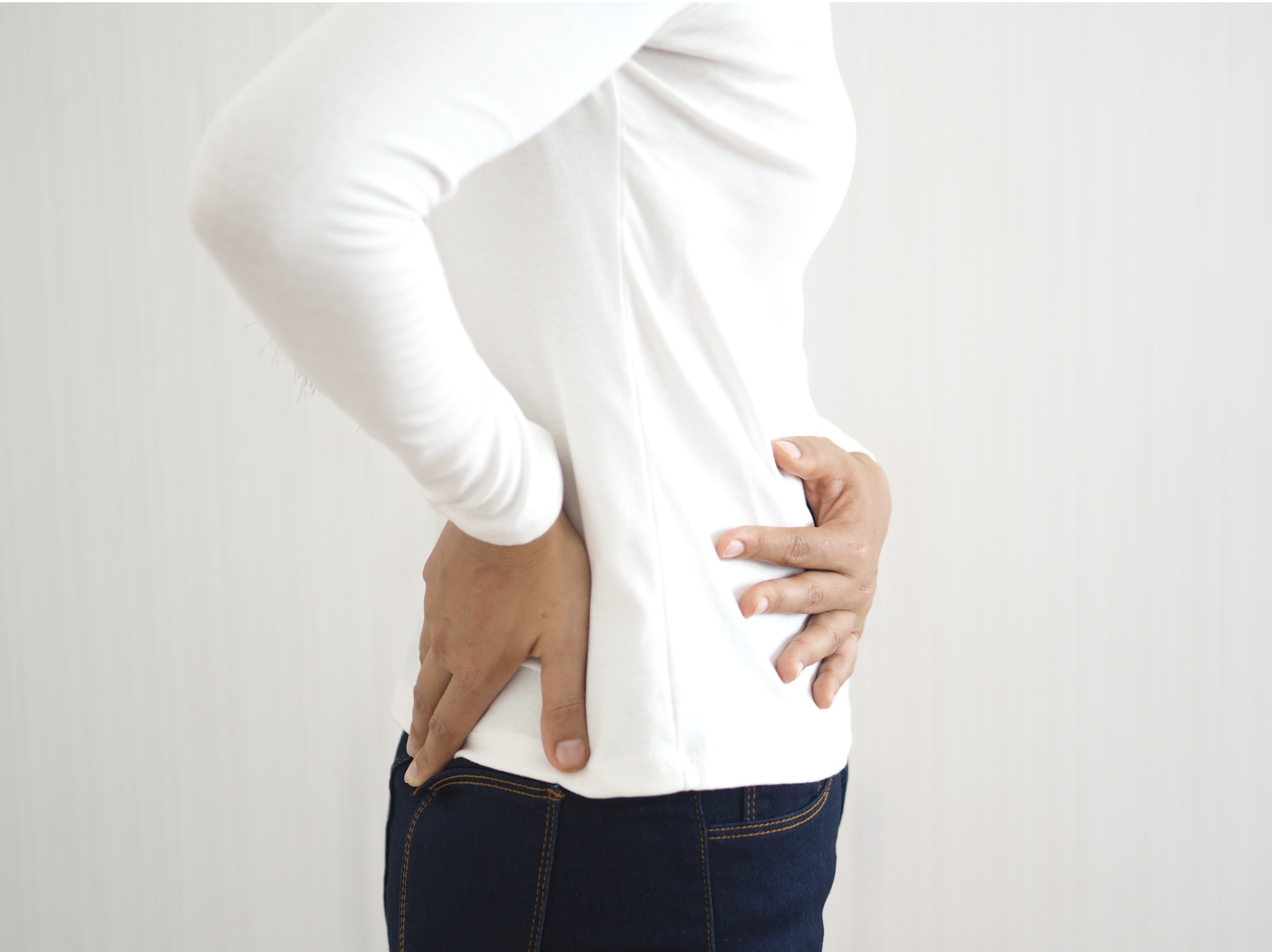
When women experience strong opposition from their bodies to maintain a level of health, it causes negative feelings, leaving women feeling helpless and betrayed. These feelings may then filter into your social life, leaving you experiencing even more negative feelings like a need to self-isolate and disassociate. Dissociation can be a women’s common tactic to survive the pain, it allows them to separate their brain from their body but ultimately contributes to a negative view of self-image. This internal battle of self-image is one that needs to be explored and brought from below the surface of the iceberg. Doing this will allow health care specialists to incorporate the entire person and being into the diagnosis process rather than just the physical pain, or just the tip of the iceberg. The iceberg that is endometriosis is a much larger one than doctors, healthcare specialists, and even patients can see from the surface. The underside of the iceberg has several layers that are not being factored into the overall diagnosis and treatment of patients with this condition. A huge piece of this hidden part is mental health and the various smaller structures that can make it worse, like sleep, diet, and self-image.
This article was created as part of the WRTC program at Jemes Madison University, which is overseen by Dr Lori Beth De Hertogh.