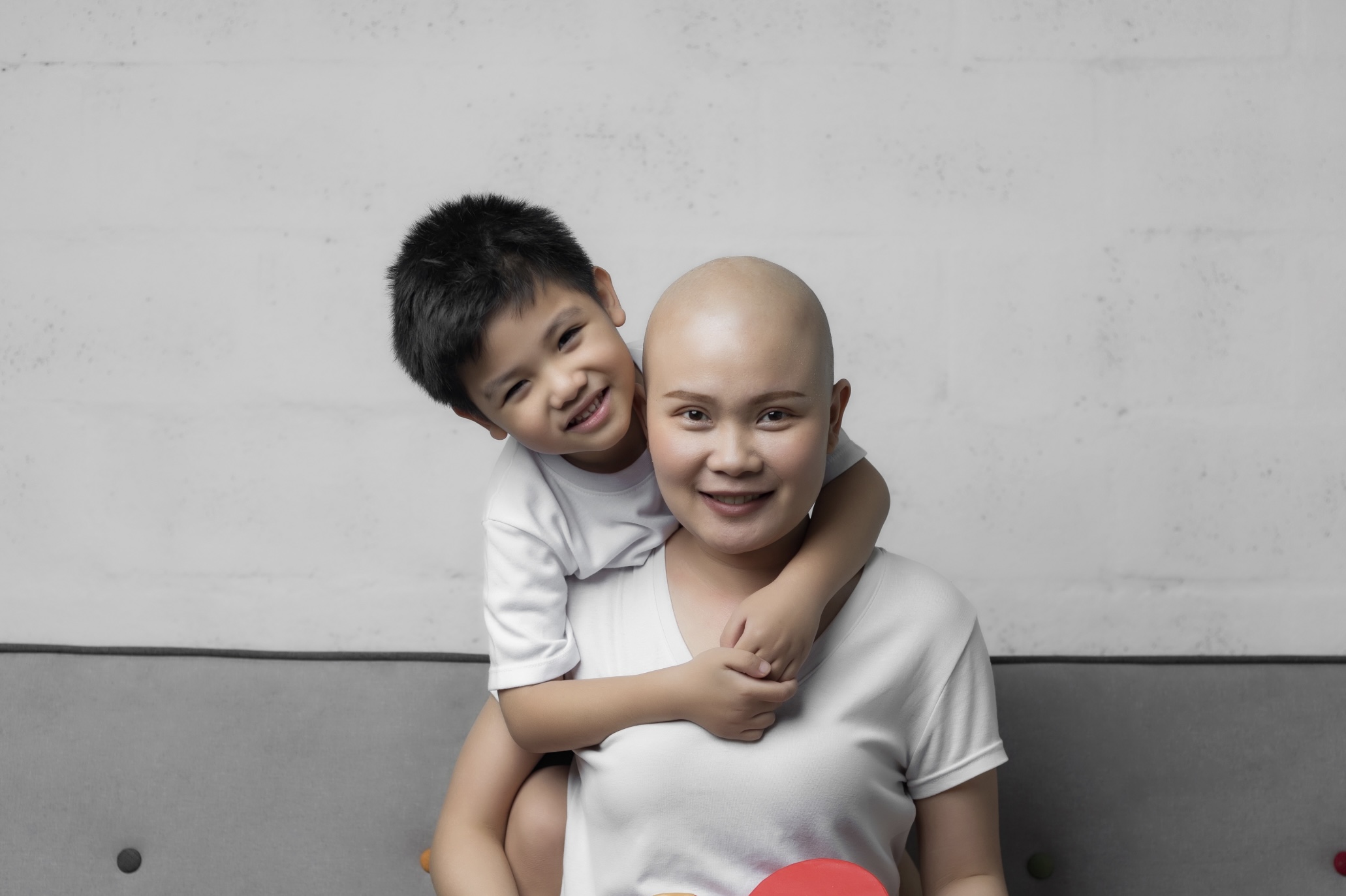

“As an ER doctor, I can’t offer the ultimate diagnosis or, sometimes, treatments for symptom control (OCPs) as this is not within my scope of practice but I do my best to offer appropriate diagnostic testing for people’s comfort. Ultimately, I often have to tell people that I suspect a condition that can lead to inflammation, hoping they can connect with a gynecologist who will meet them where they are needed.” —Clementine [patient and doctor with Endometriosis]
For those with endometriosis, getting doctors to meet them where they struggle is a challenge. Affecting 190 million women worldwide (according to the World Health Organization) between the ages of 15 and 44, the condition often goes underdiagnosed and undetected largely due to misrepresentation and lack of advocacy (Endometriosis, n.d.); it is often diagnosed years after individuals experience inflammatory symptoms–-but not often enough where women’s voices are heard. Endometriosis is a condition where the lining of the uterus and reproductive tissue grows outside of the uterus. A newer, more informed perspective of women seeking treatment, diagnosis, and overall care is needed to close this gap and complete the puzzle for women and the pain they are forced to endure.
Time is a critical element. Day to day, month to month, year to year—it becomes easy to ignore some of the early signs of the condition. If these signs are drowned out by other factors—the supposedly more “normal” parts of routine menstrual health—then the women who are struggling with endometriosis will be less encouraged to speak out. Recognizing some of the early signs can be difficult considering that the condition affects patients in different ways. For example, some women have more painful symptoms in the early stages of endometriosis than others do in the later stages. These types of inconsistencies make it harder to pinpoint and can muddy the waters for diagnostic processes.
Women have been told in books and classes about reproductive education that periods can be painful much of the time. Online resources can be hard to verify, and often questionable at best. Cramping is normal. Mid-cycle cramping is normal. That’s all the doctors seem to say—Normal, normal, normal. But it doesn’t feel normal. There’s a part of it all that just isn’t sitting right. Time and time again, younger and older women alike are reporting that something is out of order. It’s not just a cramp, and it’s not just something that can be fixed with everyday over-the-counter medicine. Why won’t anyone listen?
The answer is simple and it is because pain is not objective. Pain is a puzzle with many missing pieces. To understand the pain, it is important to figure out where these pieces can and cannot fit when putting the puzzle together. A piece can be anything—a person, a place, an experience. Bringing people and their experiences with endometriosis into the conversation will allow for a better means to care for and advocate for patients with these conditions, a crucial part of completing the larger puzzle. This means hearing the stories of women. Down the line, these stories can be an opening to have bigger conversations that allow women to feel more comfortable discussing symptoms and other issues surrounding reproductive health.
Women and their struggles surrounding the condition are why the call for endometriosis must be brought to the forefront of women’s healthcare and patient advocacy. Too many women are in pain because of a problem that can be fixed with communication, active listening, and care. No amount of pain is too small if a patient feels the need to reach out because misery is not a competition. If more doctors were aware of the lifestyle that comes with a misdiagnosis and lack of care, like uprooting one’s life to manage pain, then there is a possibility that women across the globe could be more comfortable in their own skin.

The stigma often wrapped around women and reproductive care is a main challenge to this need for a conversation. Often people are uncomfortable with discussing bodily functions, especially ones that are painful and are unknown to many. The unknown scares people. When people don’t know something, they often won’t speak on the subject matter at all. There is a need for more stories, experiences, and narratives to come into focus to allow people to gain knowledge on a subject matter that can save people from pain, many times this starts at the very beginning of the condition and the pain that is felt.
The interview with Clementine offered insight into a rare perspective on pain that combines a doctor and patient mindset; the effects that this condition has on people’s lives through an intersectional perspective can be seen, showing how these puzzle pieces fit differently for women:
“Significantly painful periods a few days prior to the start, mid-cycle cramping that was significant”. Not only did this cause “Discomfort around menstrual cycles— [it also caused] significant pain while at work, or home, that made it difficult to focus and accomplish tasks, despite trying over-the-counter pain control and OCPs. In addition, OCPs can be caustic to mental health, so while on them, I struggled more with depression, anxiety, and suicidal thoughts.”
This uprooting of her lifestyle was a monthly occurrence and caused a variety of different problems that not only seeped into her physical life but one that affected her mentally. Despite these challenges, she still tried everything she could to get her life back such as, “Attempting to follow a low FODMAP diet (reduced high inflammatory foods), anti-inflammatory medication, and attempting to get a diagnosis from the doctor.”
The lack of diagnosis exemplifies one of the obstacles that is involved in patient advocacy, essentially this is a puzzle piece that is not fitting in women’s healthcare but also overall care. Despite this, after a diagnosis, the improvement of lifestyle and obstacles can vary and improve greatly. With a proper diagnosis, the proper lifestyle challenges can be put into place to help patients, and people balance this condition with their life. A huge step in this challenge from diagnosis to lifestyle change is to find a treatment that works. Once a treatment is in place, patients work to get their lives back and have the quality and care that they need for their health.
Diagnosis for endometriosis is often a long, arduous process that can take years, placing a toll on the person’s mental health and physical well-being. It can take anywhere from four to eleven years for some women to obtain the proper diagnosis and subsequent treatment. That gap alone is a serious barrier for those suffering from any stage of the condition, as the years in between can feel like an eternity. Much of that time can be spent finding a doctor who specializes in a relevant field, and even more, could be spent finding one who will take the patient seriously.

A proper diagnosis, however, can lead to treatment. From there, treatment can help manage the symptoms, slow the condition’s progression, and help improve the overall quality of life for patients.
While treatment options are not a missing piece of the larger puzzle, they are pieces that may need to be moved around to different parts to fit right. While there is no “cure” for endometriosis at this point in time, there are still a few treatment options for women who wish to take the next step after their diagnosis. Treatments can be as mild as medication, such as hormonal suppressants. Other more serious treatments involve surgery, the most common of which is laparoscopy. First, however, it is necessary to find a doctor or healthcare provider who will take the patient seriously. Because it is common for women affected by endometriosis to be misdiagnosed—if not outright ignored—countless women do not receive treatment. Diagnosis and treatment alike must be destigmatized to encourage patients to reach out for the help they need.
Upon obtaining a diagnosis, the puzzle is still far from complete. Two hidden pieces of the puzzle are issues with pregnancy and fertility, both of which are affected by the presence of endometrial tissue. Fortunately, it is still possible to carry out a successful pregnancy for women affected by endometriosis. Should a woman choose to have children, it may be in her best interest to seek treatment ahead of time, as the condition is known to affect fertility. At this time, there is still an unthinkable number of women who cannot carry children because of the severity of their condition. Likewise, there are women whose stories are being disregarded, and who are being denied surgical treatment, most notably hysterectomy.
These stories and experiences need to be told; this conversation is important, and Hyeia will continue to share the stories of women who want to come forward into the conversation. It is then we believe that, with the uptick in conversation, doctors will start to listen to patients more, working for more diagnoses for endometriosis and giving patients the care that they need. A newer, more informed perspective of women seeking treatment, diagnosis, and overall care is needed to close this gap and complete the puzzle for women and the pain they are forced to endure.
This article was created as part of the WRTC program at Jemes Madison University, which is overseen by Dr Lori Beth De Hertogh.